
Greenwashing? No, thank you! – How ‘what when why’ makes events truly sustainable
The Ludwigsburg-based creative agency what when why is setting new standards in sustainable event planning with a clear focus on the circular economy.
Reading time: approx. 4 minutes
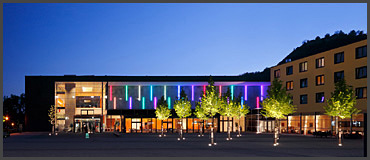
Stuttgart/Singen. We’re interested in topics of the future! So, let’s head straight to the modern town hall in Singen to take part in mice lab: 2015, thought the Stuttgart-based event agency what when why.
The theme: “Congress of the Future” was well suited to the modern town hall in Singen, and in exciting, interactive stages, the topics that the interdisciplinary group of experts had developed over the past year were presented, discussed, expanded upon and summarised.
In the search for the “big thing”, the jack-of-all-trades of the successful congress of the future, the focus was primarily on the new perspectives and supposed necessities arising from drastically changed reception habits and the drive for greater interactivity. This gave rise to fundamental questions that are of crucial importance for the modern reform of the largely extremely conservative conference industry, both today and in the future:
Conclusion: It is good to see that the vanguard of innovative thinkers is reflecting on the very essence of the conference and placing targeted human interaction at the centre of their considerations. The “Internet of Things” sets the pace for today’s knowledge transfer and is the defining factor in human communication and reception habits. Conferences and other formats of face-to-face interaction can and must learn from this. They will only retain their irreplaceable raison d’être if organisers succeed in channelling the power of personal encounters into enriching direct exchange, participation and interaction.
The Ludwigsburg-based creative agency what when why is setting new standards in sustainable event planning with a clear focus on the circular economy.

FEINMETALL’s 60th anniversary marks not only an impressive company history, but also the transition into a new era: from a medium-sized company to an international brand.
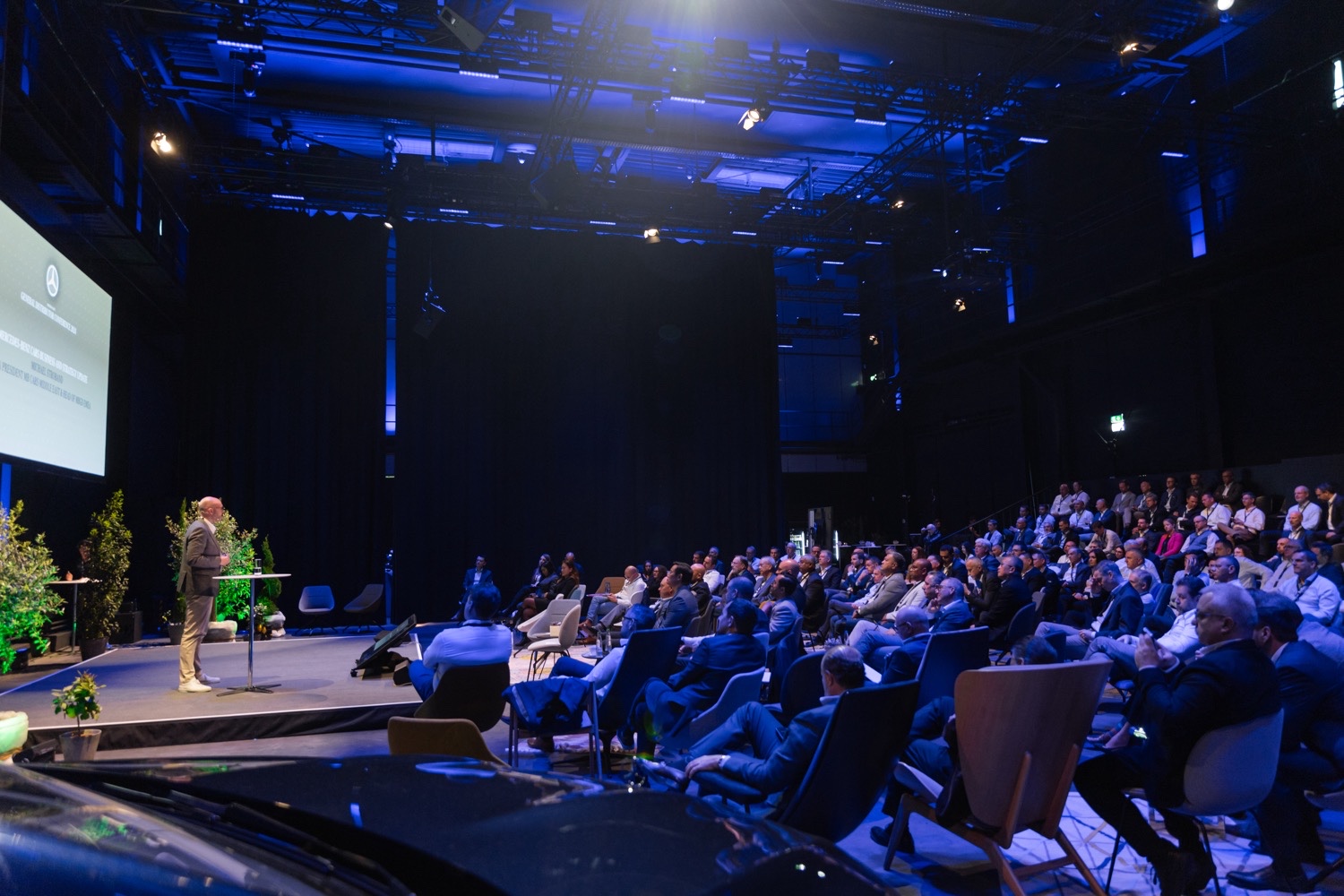
With a successful concept, the Ludwigsburg-based creative agency what when why successfully organised the Mercedes-Benz General Distributor Conference 2024 in Stuttgart.