Reading time: approx. 6 minutes
Digitalisation
Digitalisation has long since permeated every aspect of life – and live communication is no exception. But exactly how does it influence the way events are planned, executed and followed up? Carsten Knieriem, Managing Director of the creative agency what when why, offers fascinating insights into the opportunities and challenges of digital transformation.
Efficiency taken to a new level
Digitalisation opens up immense potential for increasing efficiency in live communication. From the automation of routine tasks and the use of AI-powered tools to state-of-the-art event management software: processes are not only accelerated but also made more precise and flexible.
“AI tools have become indispensable aids in all phases of the process,” says Knieriem. They ensure that teams are relieved of workload, errors are minimised and the customer experience is improved. Whether it’s participant registration, data management or communication – digital tools optimise every step.
Greater reach through digital formats
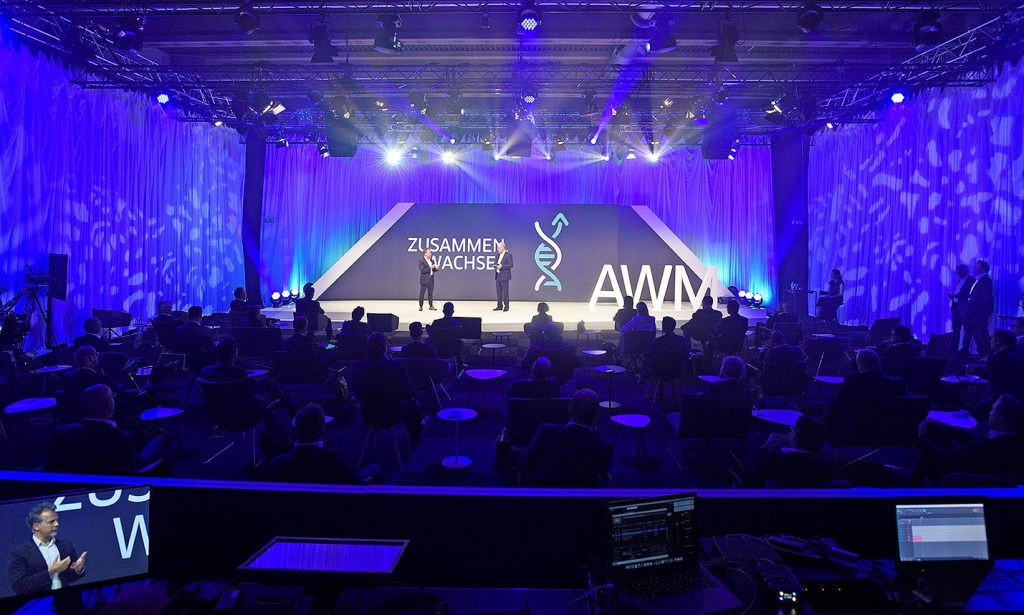
Digital and hybrid events have experienced a huge boom during the pandemic. They make events accessible globally and enable target audiences to be reached far beyond physical boundaries.
“We have reinvented interactive television,” explains Knieriem. Success stories such as the Dürr Open House 2021, which was awarded the BrandEx Gold Award, or hybrid anniversary events demonstrate just how versatile digital formats can be. It is clear that digitalisation not only expands reach but also creates new opportunities for participation for people who cannot be there in person.
Participant interaction reimagined
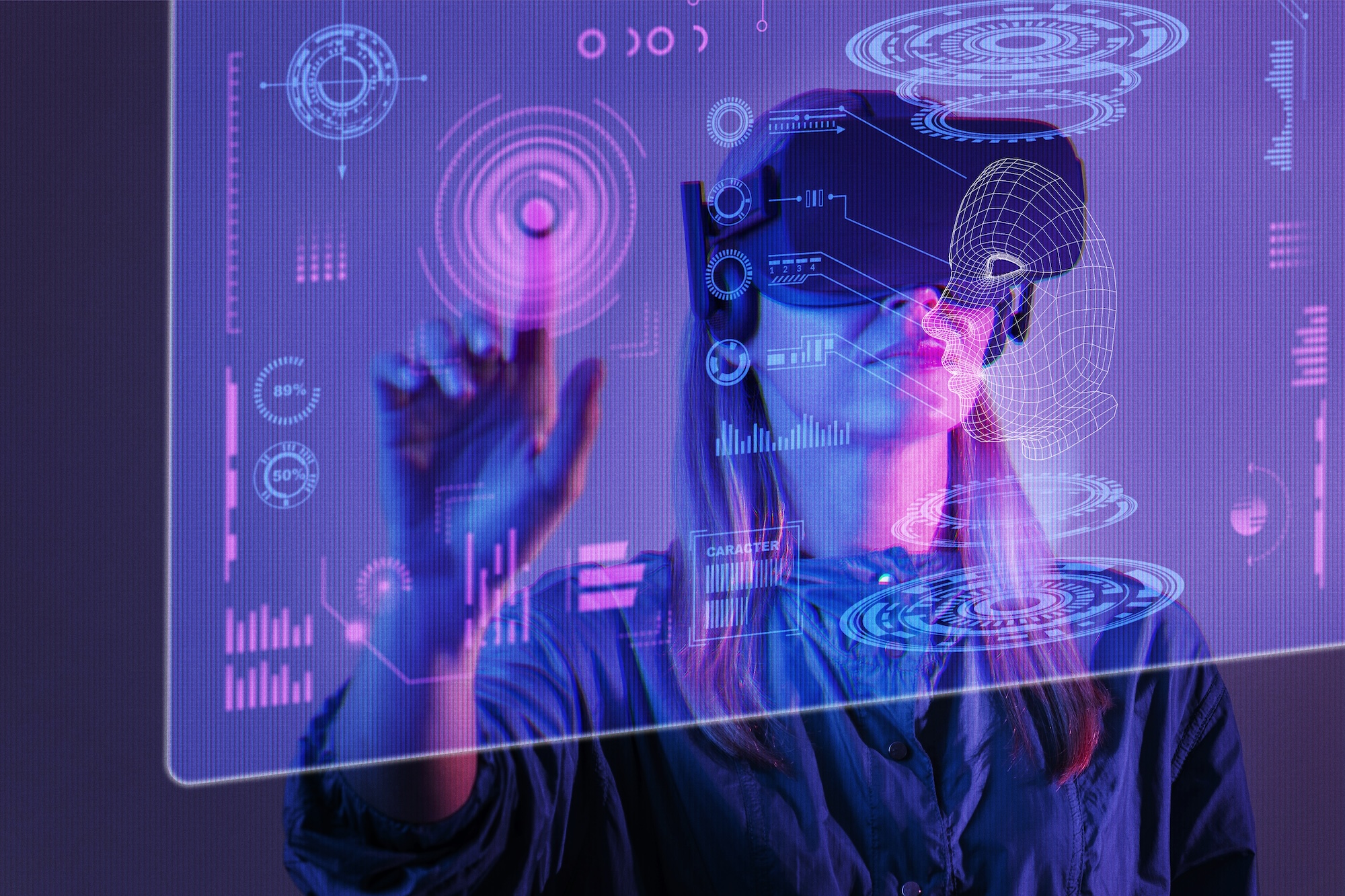
Another advantage of digital tools lies in optimising interaction. Event apps encourage exchange between participants, enable surveys and provide valuable feedback. Technologies such as VR and AR open up immersive experiences that evoke emotions and create a deep connection.
“The integration of such technologies can take events to a whole new level,” emphasises Knieriem. They offer not only entertainment but also genuine added value by actively involving participants and making communication more interactive.
Data collection: A path to better decisions
Digitalisation brings not only efficiency but also transparency. With the help of data analysis, organisers can better understand what participants really want – from planning and execution right through to follow-up.
“Data is key to tailoring events specifically to participants’ needs,” explains Knieriem. Tools for real-time data analysis even make it possible to make spontaneous adjustments during an event to maximise its impact. However, data protection always remains the top priority.
New formats and an optimised customer journey
The future of live communication could be shaped by fully personalised, immersive formats that adapt dynamically to participants’ needs. But digitalisation is also driving change beyond event design: in agencies such as what when why, digital tools are improving internal processes and standardising the customer journey.
“The key now is to find the right technologies and deploy them strategically,” says Knieriem. The right mix of innovation and efficiency offers the opportunity to take the quality of projects to a new level.
People remain at the centre
Despite all the advantages of digitalisation, Knieriem emphasises that it cannot replace the effectiveness of real-life encounters: “Well-executed live communication remains the most effective discipline of all.” Digital tools are a valuable addition, but personal contact and the emotions generated by physical events remain indispensable.
Conclusion: Digitalisation as an opportunity
Digitalisation is not the end, but the beginning of a new era in live communication. With the right technologies, efficiency, reach and interaction can be taken to a whole new level. At the same time, it demands creativity to combine real-life experiences with digital possibilities, thereby creating events that leave a lasting impression.
The future of live communication lies not solely in digitalisation – but in the clever combination of people and technology.